
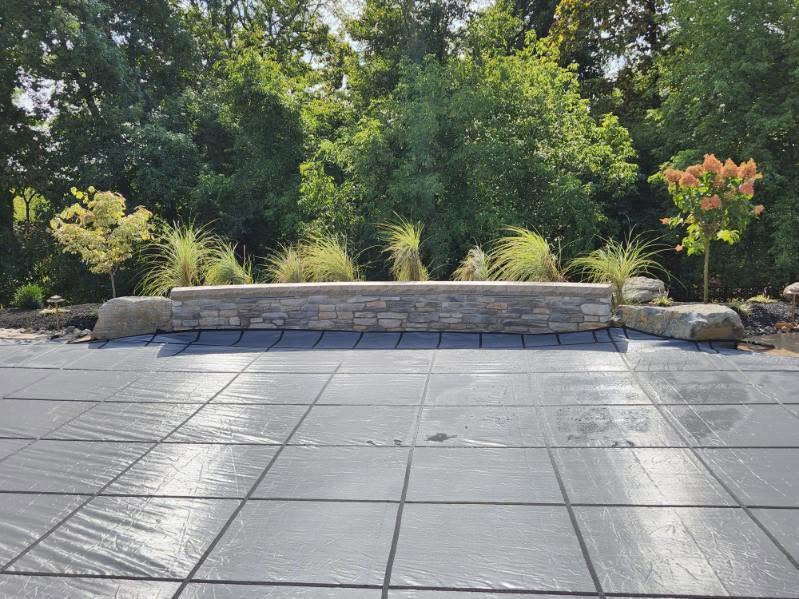
Pool Closing & Winterization in Medford, NJ: Your Complete Fall Guide
There’s a certain rhythm to owning a pool in South Jersey. The long, easy days of summer gradually give way to cooler evenings, earlier sunsets, and that first crisp morning that tells you fall has truly arrived. For pool owners in and around Medford, that seasonal shift is also your cue: it’s time to start thinking about closing and winterizing your pool. New Jersey winters may not be the harshest in the country, but they bring more than enough freezing weather to crack pipes, damage equipment, and ruin a pool that wasn’t properly put to bed for the season.
Since 2003, Aloha Pool & Spa Service has helped thousands of homeowners across Medford and South Central Jersey close their pools the right way. In this guide, we’ll cover when to schedule your closing, what a professional winterization actually involves, the most common mistakes we see every year, and how to make sure your pool reopens next spring clean, clear, and ready to swim.
Why a Proper Pool Closing Is So Important
It’s easy to assume closing a pool just means tossing on a cover and walking away until spring. Unfortunately, that’s exactly the kind of shortcut that leads to expensive surprises when the weather warms back up. A thorough, professional closing does far more than tidy things up—it actively defends your pool through the harshest months of the year. Here’s what proper winterization protects you from:
Costly freeze damage. This is the number-one risk. Water expands as it freezes, and any water left sitting in your plumbing lines, pump, filter, or heater can freeze solid and crack them wide open. What should have been a simple seasonal task can quickly become a repair bill running into the thousands.
Algae and stained surfaces. Water that isn’t balanced and treated before closing turns into a perfect home for algae over a long winter. Lift the cover in April to find murky green water, and you’re facing extra chemicals, extra scrubbing, and extra expense before anyone can swim.
Debris buildup and strain. An uncovered or poorly covered pool collects leaves, dirt, and storm debris all winter—staining finishes, clogging your system, and piling on to your spring workload.
A slow, expensive reopening. Here’s the simplest truth of all: a pool closed correctly opens easily. A pool closed carelessly often needs a full drain, a deep clean, and a complete chemical reset before it’s swimmable again.
A little attention now saves you money, time, and lost swim days when the season rolls back around.
When Should You Close Your Pool in South Jersey?
Timing is the question we hear most often, and it’s a genuinely important one. Close too early, while the water is still warm, and you invite algae to bloom during those lingering mild weeks of autumn. Close too late, after a hard freeze has already set in, and you risk the exact damage you’re trying to prevent.
For homeowners in Medford and the surrounding Burlington County area, the closing sweet spot usually lands in October. The best guideline isn’t a date on the calendar—it’s water temperature. Aim to close your pool once the water holds consistently below 65°F. Below that mark, algae growth slows to a crawl, which lets your winterizing chemicals stay effective through the long off-season ahead.
Because South Jersey typically sees its first frost from mid- to late October, we recommend booking your closing before the first hard freeze arrives. Waiting for the last warm weekend is a gamble—an early cold snap can show up before you’ve had the chance to clear your lines.
There’s also a practical scheduling reason to plan ahead. Fall is the busiest season of the year for every pool company in the region, and calendars fill up fast. The homeowners who wait until frost is in the forecast are usually the ones struggling to find an open appointment. Reserving your pool closing service early means your pool gets protected on your schedule—not at the mercy of the weather.
Pool Closing vs. Winterization: Aren’t They the Same Thing?
People often use “pool closing” and “winterization” interchangeably, and that’s understandable—the two go hand in hand. Still, it’s worth knowing the difference.
Pool closing describes the full process of shutting your pool down for the season: cleaning it, balancing the water, and covering it up.
Winterization refers to the specific steps that shield your plumbing and equipment from freeze damage—dropping the water level, clearing the lines, adding pool-grade antifreeze, and draining the equipment.
A complete closing always includes winterization. Skipping those winterizing steps is precisely where do-it-yourself closings tend to fall apart, because they’re the tasks that prevent the most costly damage of all.
What a Professional Inground Pool Closing Involves
Wondering what actually happens during a professional closing? Here’s the step-by-step process our certified technicians follow to winterize an inground pool. Even if you’re planning to leave it to us (and we hope you will), knowing the process shows why each step matters.
1. Test and Balance the Water
It all begins with chemistry. We test and fine-tune your pH, total alkalinity, calcium hardness, and sanitizer levels so the water is properly balanced before it sits untouched for months. Balanced water keeps your pool’s surfaces safe from staining, scaling, and etching all winter long. Prefer to leave the chemistry to the pros? Our water testing and treatment team can get everything dialed in exactly right.
2. Give the Pool a Deep Clean
Next, we thoroughly clean the pool from top to bottom—skimming the surface, brushing the walls, and vacuuming the floor. Clearing out organic debris before closing prevents winter staining and leaves algae with far less to feed on.
3. Lower the Water Level
We drop the water below the skimmer and return lines, with the exact level depending on your cover type and plumbing. This keeps water away from the parts of your system most vulnerable to freezing and expansion.
4. Clear and Plug the Plumbing Lines
This is the core of winterization. Using specialized equipment, we blow all the water out of your plumbing lines and seal them with winterizing plugs. Any water left behind can freeze, expand, and crack your pipes—so this step gets done carefully, with the right tools for the job.
5. Add Pool Antifreeze
For an extra layer of protection, we add non-toxic, pool-grade antifreeze to the lines. (One important note: this is a specialized pool product—never automotive antifreeze, which is toxic and can damage your pool.) It guards any remaining trace moisture against a deep freeze.
6. Drain the Equipment
Your pump, filter, heater, and chlorinator all hold water that has to come out. We drain each one so nothing can freeze and crack inside your costly equipment. And if our technicians notice a worn part or a small leak along the way, we’ll let you know—so you can take care of any pool repairs during the quiet off-season rather than in the middle of next summer.
7. Add the Winterizing Chemicals
We finish the water treatment with a winter closing kit—typically a blend of algaecide, winter shock, and stain-and-scale protection—to keep the water clean, clear, and balanced until reopening day. Solid winter chemistry is the single biggest factor in whether you open to sparkling water or a green mess.
8. Secure the Cover
Finally, we install and secure your winter or safety cover. A well-fitted, tightly fastened cover keeps out leaves, debris, and animals while adding an important layer of protection for your family and pets. More on choosing the right cover below—because it matters more than most people expect.
Closing an Above-Ground Pool
Own an above-ground pool? The core principles are exactly the same: balance the water, clean thoroughly, lower the level below the skimmer, protect the equipment from freezing, add your winter chemicals, and cover securely. The key differences are the use of an air pillow under the cover—to absorb ice expansion and take pressure off your pool walls—plus cover clips or a cable-and-winch system to keep everything snug against South Jersey’s winter winds. Our team handles both inground and above-ground closings throughout the Medford area, so whatever you own, we’ve got you covered.
Is a Safety Cover Worth It? (Short Answer: Yes)
Not every pool cover is created equal. A basic tarp-style winter cover weighed down with water bags will keep debris out, but it does little for safety and tends to sag, tear, or blow loose during a New Jersey winter.
A safety cover, by contrast, is a heavy-duty mesh or solid cover anchored firmly to your deck. It’s built to hold significant weight—meaning it helps protect children and pets from accidental falls, not just keep leaves out. It also looks far cleaner, lasts much longer, and dramatically cuts down your spring cleanup.
For families with young kids or curious pets, a safety cover delivers priceless peace of mind all off-season. Take a look at our pool safety cover services to find the right fit for your pool—and if you’ve been meaning to upgrade, fall is the perfect time to do it.
Let Aloha Handle It—All Season Long
Closing your pool in October doesn’t have to be a one-off scramble. As Medford’s local pool experts, our whole philosophy is simple: give us a call, and we’ll handle your winter closing and your summer opening so you don’t have to. It’s the kind of dependable, honest service Tim and Roberta Sherlock built this company on back in 2003—and it’s why thousands of South Jersey families keep coming back.
If you’d rather not think about your pool at all, ask us about an annual service plan. We can bundle your closing, opening, and routine maintenance into one seamless plan, so your pool is professionally cared for from the first warm day of spring through the last leaf of fall. Every visit is backed by our 100% satisfaction guarantee, so you can relax knowing certified, fully licensed and insured technicians are looking after one of your home’s biggest investments.
Common Winterization Mistakes to Avoid
Even the most well-intentioned DIY closing can go sideways. These are the pitfalls we see most often:
- Closing too early. Warm water plus winter chemicals equals algae. Hold off until the water is reliably below 65°F.
- Skipping the water balance. Unbalanced water quietly stains and etches your pool surfaces all winter long.
- Leaving water in the lines. The single most common cause of cracked pipes and equipment. Blowing out the lines is not a step to skip.
- Using the wrong antifreeze. Automotive antifreeze is toxic and can ruin your pool. Only pool-grade antifreeze belongs anywhere near your plumbing.
- A loose or ill-fitting cover. A sagging cover pools water, sinks debris, and can fail completely under the weight of snow.
- Draining the pool completely. Emptying an inground pool for winter can cause the shell to shift, crack, or even lift out of the ground. In nearly all cases, the water should be lowered, not drained.
Why Choose Aloha Pool & Spa Service?
When you’re protecting one of the biggest features in your backyard, who you hire matters. Here’s why South Jersey homeowners trust Aloha:
- Over 20 years serving Medford. Founded in 2003, we know exactly how South Jersey winters behave—and how to prepare your pool for them.
- Local, family-built, and growing. What started as one truck and two employees is now a fleet of nine trucks, a full team, and a retail store serving thousands of customers across South Central Jersey.
- Certified, licensed, and insured. Our technicians are trained professionals, and every job is fully licensed and insured for your protection.
- A 100% satisfaction guarantee. Customer service is the core of our business, and your satisfaction is always our top priority.
- A true one-stop pool shop. From closing and safety covers to liners, repairs, and next spring’s pool opening, we handle every stage of your pool’s year.
Frequently Asked Questions About Pool Closing
When is the best time to close my pool in Medford, NJ?
Aim for October, once the water temperature stays consistently below 65°F and before the first hard freeze. Since fall calendars fill quickly, booking early ensures you get a date that works for you.
Can’t I just close my pool myself?
You can, but winterization is where DIY closings most often go wrong. Properly blowing out plumbing lines takes specialized equipment, and a single missed step can lead to cracked pipes or ruined equipment. A professional closing costs far less than the freeze damage it prevents.
Do I need to drain all the water out of my pool?
No—and you shouldn’t. Fully draining an inground pool can cause the shell to shift or crack. The right approach is to lower the water below the skimmer while protecting the plumbing and equipment from freezing.
What’s the difference between a winter cover and a safety cover?
A standard winter cover keeps debris out but offers little fall protection. A safety cover is anchored securely to your deck, supports significant weight, helps protect children and pets, and lasts much longer.
Do you offer plans that cover closing and opening together?
Yes. Ask us about an annual service plan that bundles your closing, spring opening, and routine maintenance—so your pool is professionally cared for all year without you having to think about it.
How far in advance should I schedule my closing?
The sooner the better. Fall is our busiest season across South Central Jersey, and early booking guarantees your pool is protected before cold weather sets in.
Schedule Your Pool Closing With Aloha Today
Don’t wait for the first frost to think about your pool. A professional closing now means a protected pool all winter and a fast, sparkling opening next spring. Let the certified team at Aloha Pool & Spa Service handle every detail so you can enjoy your South Jersey fall with total peace of mind.